

Reconnect. Rebuild. Grow Together.
Healthy relationships aren't built on perfection. They're built through understanding, communication, and intentional effort.
Every relationship experiences challenges.
Sometimes those challenges involve communication breakdowns, recurring disagreements, emotional distance, broken trust, or feeling like you and your partner are no longer on the same page.
At other times, you may simply recognize that your relationship needs attention before small concerns become larger problems.
Couples counseling provides a supportive environment to explore relationship patterns, strengthen understanding, and develop healthier ways of navigating challenges together.
When Relationships Feel Disconnected
Sometimes the Same Conversation Keeps Happening
You may find yourselves having the same arguments without reaching a resolution.
One person may feel unheard while the other feels criticized. Conversations may quickly turn into disagreements, silence, defensiveness, or frustration.
Over time, these interactions can create distance, resentment, and uncertainty about the relationship.
Couples counseling helps create space to slow those conversations down, understand what's happening beneath the surface, and identify patterns that may be keeping you disconnected.
The goal isn't to decide who's right or wrong.
It's to better understand what's happening between you and explore what each person needs moving forward.
Understanding the Challenges Behind the Conflict
Couples counseling may help partners navigate:
Communication Difficulties
Learning to express thoughts, feelings, and needs in ways that encourage understanding rather than defensiveness.
Recurring Conflict
Identifying patterns that contribute to repeated disagreements and developing healthier approaches to resolving conflict.
Trust and Relationship Repair
Exploring the impact of betrayal, dishonesty, or broken agreements while determining what rebuilding trust may require.
Emotional Disconnection
Understanding the factors contributing to distance and identifying ways to strengthen emotional connection.
Life Transitions
Navigating changes related to parenting, marriage, family responsibilities, careers, or other significant experiences.
Relationship Uncertainty
Creating space to explore whether and how partners want to move forward in their relationship.

When Relationships Feel Disconnected
Sometimes the Same Conversation Keeps Happening
You may find yourselves having the same arguments without reaching a resolution.
One person may feel unheard while the other feels criticized. Conversations may quickly turn into disagreements, silence, defensiveness, or frustration.
Over time, these interactions can create distance, resentment, and uncertainty about the relationship.
Couples counseling helps create space to slow those conversations down, understand what's happening beneath the surface, and identify patterns that may be keeping you disconnected.
The goal isn't to decide who's right or wrong.
It's to better understand what's happening between you and explore what each person needs moving forward.
What Couples Counseling Looks Like: Understanding the Relationship, Not Just the Argument
The Initial Session
We'll begin by discussing what brings you to counseling, the history of your relationship, your current challenges, and what each partner hopes to gain.
We'll also discuss expectations for the counseling process and identify initial areas of focus.
Understanding Your Patterns
As we continue, we'll explore how each person communicates, responds to conflict, expresses needs, and experiences the relationship.
Developing New Skills
Sessions may involve practicing communication strategies, exploring emotional responses, learning conflict-management techniques, and identifying ways to increase connection.
Applying What You Learn
Meaningful relationship changes often happen between sessions.
Partners may be encouraged to practice skills, reflect on relationship patterns, or engage in structured conversations outside counseling.
Evaluating Progress
We'll revisit your goals, recognize areas of improvement, and explore challenges that continue to need attention.
What Progress Can Look Like: Small Changes Can Create Meaningful Differences
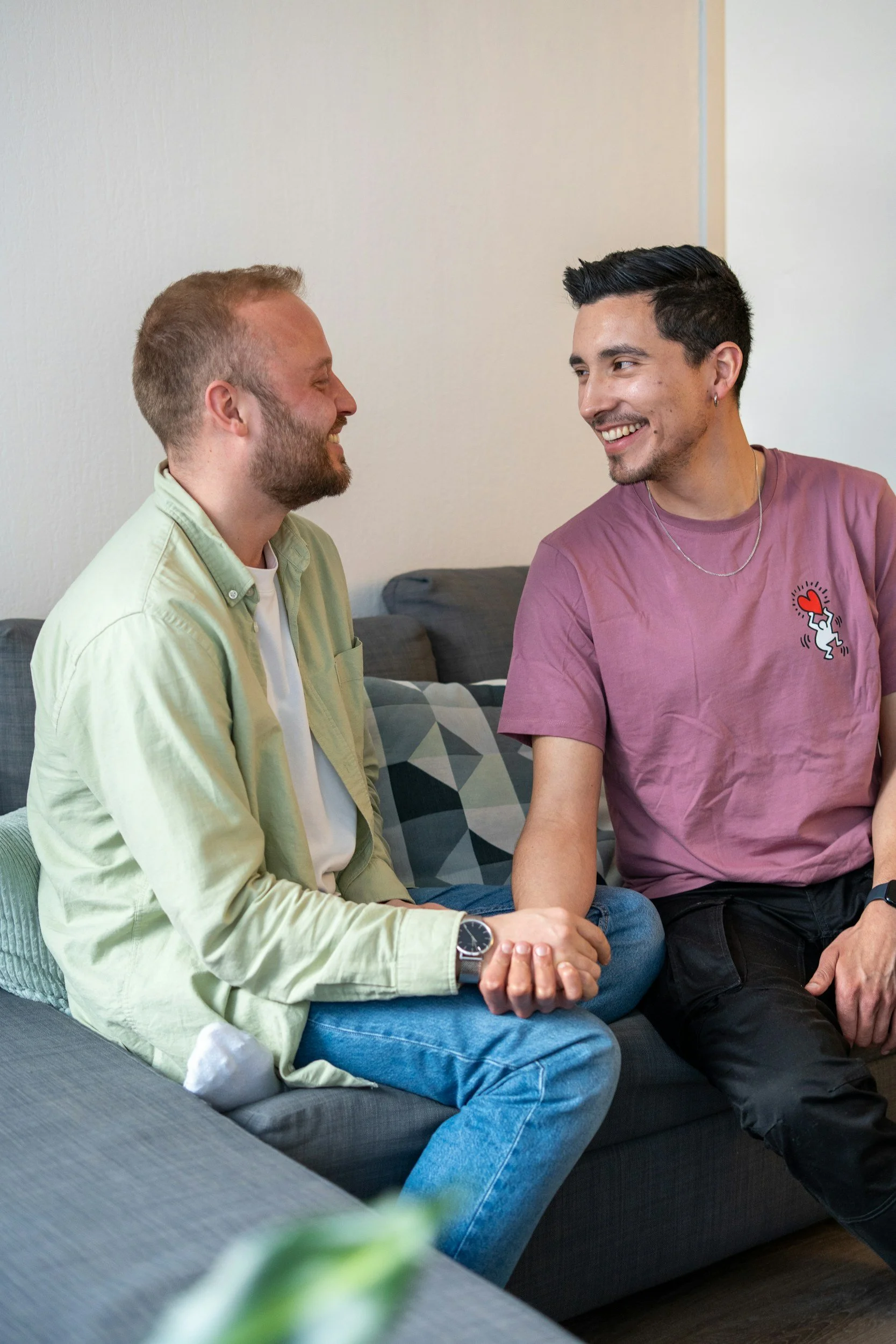
Progress in couples counseling may look like:
Having difficult conversations without escalating into arguments
Feeling more comfortable expressing needs and concerns
Recognizing recurring relationship patterns
Taking greater responsibility for individual contributions to conflict
Developing clearer expectations and boundaries
Rebuilding trust through consistent actions
Creating a stronger sense of emotional connection
Gaining clarity about the future of the relationship
Every relationship is different, and progress will reflect the goals, needs, and circumstances of the people involved.
Frequently Asked Questions
-
That's common. Part of the counseling process involves exploring each person's perspective and identifying where goals align or differ.
-
No. My role is to help you explore your relationship, improve understanding, and make informed decisions rather than make those decisions for you.
-
I'll help structure conversations so both partners have opportunities to share their perspectives and participate meaningfully.
-
No. Couples counseling can support partners at different stages of their relationships.
-
It may provide a space to explore the impact of infidelity, understand each partner's needs, and determine whether rebuilding trust is possible and desired.
Your Relationship Deserves Intentional Attention
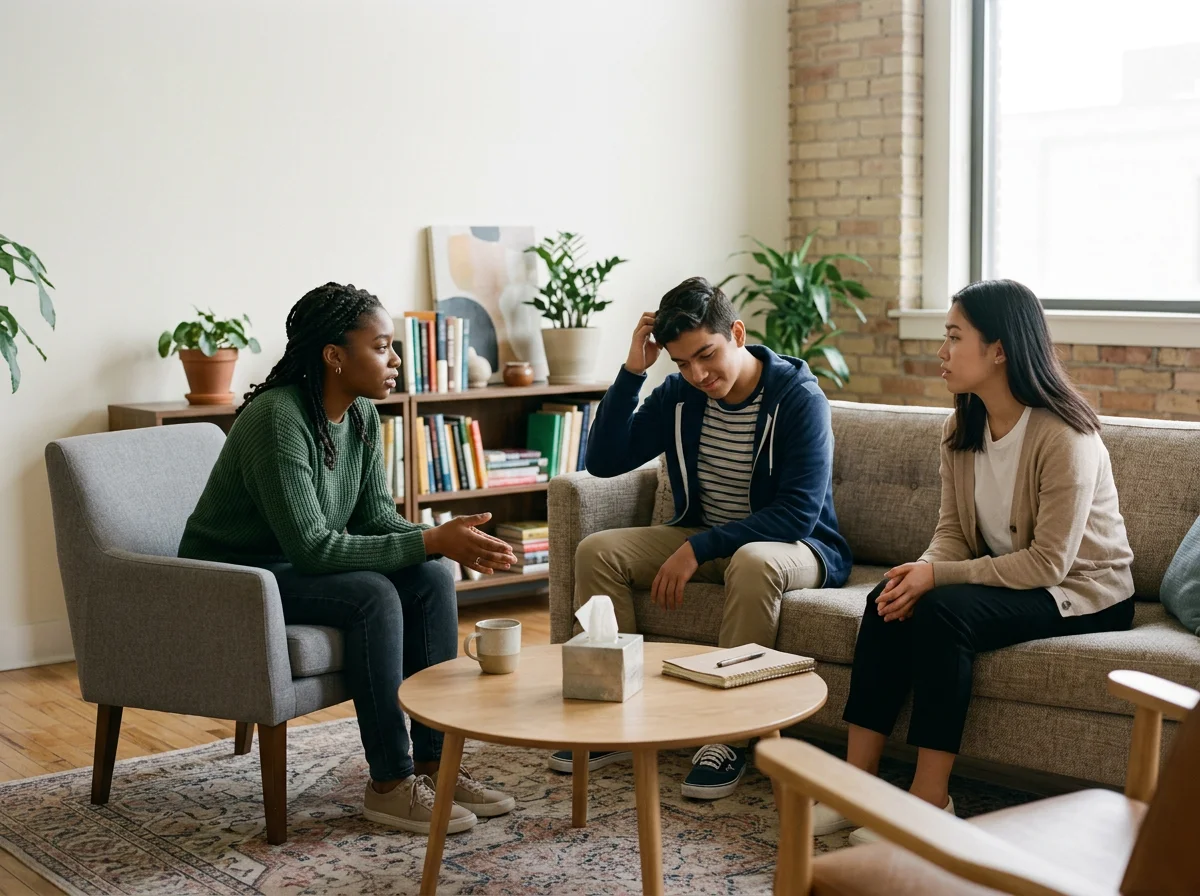
You don't have to wait until communication breaks down completely or distance feels impossible to overcome.
Taking time to understand your relationship is a meaningful step, regardless of where the process ultimately leads.